
Acute pain? Long-term niggle? Your physio approach will differ
Whether it’s a rolled ankle from weekend footy or shoulder pain that’s been hanging around for months, sports injuries can affect your performance, confidence, and day-to-day life. And while they might feel similar on the surface, acute and chronic injuries are managed very differently during a sports physio session.
Understanding what to expect from your session can make the recovery journey clearer, calmer, and more effective from the get-go.
Acute injuries: managing pain and preventing further damage
Acute injuries usually come on suddenly. Think netball knee injuries, a pulled hamstring, or a rolled ankle from touch footy. If it happened recently and the pain is sharp or swelling is visible, it’s likely acute.
During your first sports physio session for an acute injury, the focus is on settling the injury and avoiding further harm:
- Assessment and diagnosis: Identifying the exact structure affected and checking for any red flags.
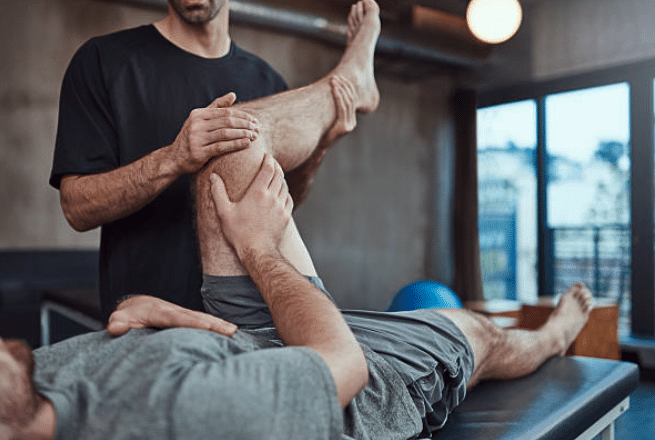
- Swelling and pain control: Through manual therapy and taping techniques. If you’re wondering how to strap a foot injury, your physio will walk you through it.
- Education: Advice on load management, what movements to avoid, and when you can return to sport.
- Progression planning: Discussing what recovery looks like in stages – from initial protection to movement, strength, and return to sport.
This early stage is about removing irritation and restoring function safely. It’s hands-on, tailored, and focused on treating the source, not just the symptoms.
Chronic injuries: rebuilding strength and changing patterns
Chronic injuries develop over time, often from repeated stress, poor movement patterns, or unresolved past injuries. Think rotator cuff tendonitis, ongoing lower back pain, or patellofemoral issues from running or jumping sports.
If you’ve been managing an injury for over six weeks, your sports injury therapy session will likely look different:
- Movement and posture assessment: Looking at how your body moves to spot underlying habits causing the problem.
- Strength and stability testing: Identifying weaknesses, particularly around the core, hips, and shoulders.
- Education and goal setting: Understanding your personal performance goals to guide treatment.
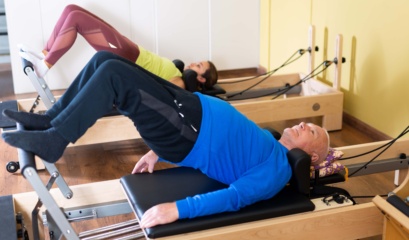
- Targeted rehabilitation: This often includes guided rotator cuff injury exercises, knee injury exercises, and gradual loading programs.
The role of rehab in getting you back to peak performance
For both acute and chronic injuries, sports injury rehab in Sydney is a structured return-to-performance plan that is personalised to your sport, lifestyle, and goals.
At this stage, your program may include:
- Strength and conditioning progressions
- Sports-specific drills (e.g. change of direction for netball knee injuries)
- Manual therapy to keep mobility optimal
- Clinic-based and at-home exercise programs
We use premium facilities and work as a team to ensure you’re supported across every phase of your journey. Whether you’re recovering from a match-day incident or rebuilding from a longer-term issue, you’ll experience the same high standards of care we’re known for.
Why do we treat every body differently
No two injuries are the same, and neither are our clients. Your body, goals, and sport all influence how your rehab should look.
Our approach is:
- Hands-on, with targeted manual therapy and guided taping or bracing when needed
- Backed by expertise, with decades of combined clinical experience
- Delivered in a premium environment, with access to high-quality equipment and facilities
When you walk into our sports physio clinic in Sydney, you’re not just a patient. You’re someone on a path from pain to performance – and we’re here to help you reach your potential.
Looking for a sports injury clinic that treats the cause, not just the symptoms? Contact us today to speak with our team.