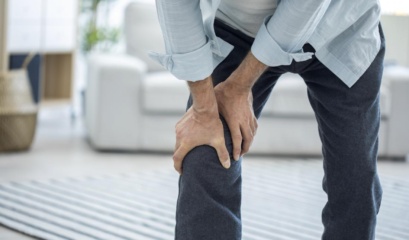


An active individual experiences a sudden twinge in the joint during a run or gym session, prompting an immediate search for how to get rid of knee pain fast. The natural response is to find immediate comfort. Taking anti-inflammatory medication, popping painkillers, or pulling on a tight neoprene compression sleeve offers rapid temporary relief. The throbbing stops, the swelling decreases, and the individual often returns straight to their exercise routine.
These options are useful first-line tools to manage acute distress, but they do not correct the underlying physical problem. Masking the symptoms prematurely creates a deceptive mechanical environment. Relying on quick fixes directly interrupts the biological processes required for authentic tendon and cartilage repair, transforming a manageable acute strain into a long-term chronic injury.
The biological cost of suppressing acute inflammation
Inflammation is frequently treated as a design flaw, but it is actually the mandatory first stage of musculoskeletal healing. When tendons or joint surfaces suffer repetitive strain from running, jumping, or cycling, the body initiates a highly coordinated repair cascade. It floods the injured zone with specialised blood cells to clear away damaged cellular debris and lay down the foundational matrix for new tissue growth.
Artificially shutting down this process with high-dose anti-inflammatory medication stops the body from signaling these essential repair cells. The immediate throbbing subsides, but the actual structural integrity of the tendon remains weak and unhealed. Returning to high-impact sport with a chemically numbed joint exposes these fragile, un-remodeled collagen fibres to intense mechanical force, causing hidden microtrauma that degrades the tendon over time.
The cartilage conundrum: why braces alter joint pressure
Unlike muscles and bones, the articular cartilage coating your knee joint has no direct blood supply. It cannot draw nutrients directly from the bloodstream to repair itself. Instead, cartilage relies entirely on a mechanical process called imbibition. This is a sponge-like action where regular, un-restricted joint movement pumps nutrient-rich synovial fluid directly into the cartilage matrix.
Healthy joint movement creates a natural compression cycle that keeps this tissue nourished. Continuous rigid bracing completely breaks this cycle. When you rely on a brace as a permanent crutch, the rigid support alters your natural joint tracking and locks the knee into a restricted path.
This restriction starves specific zones of the cartilage matrix of necessary fluid exchange. Over time, this localised fluid starvation accelerates structural wear and tear rather than supporting a genuine return to function. While a supportive brace provides excellent short-term protection immediately after trauma, relying on it continuously proves that temporary knee joint pain relief comes at a high structural cost if used incorrectly.
The Pain to Performance framework for structural knee recovery
Achieving lasting joint durability requires moving past superficial cover-ups and identifying the root cause of the structural overload. At Benchmark, we use a definitive three-stage methodology to safely restore your knee to full function: Pain to Performance.
Rather than relying on continuous external braces or passive rest, this structured process builds authentic tissue resilience through three distinct phases: remove, restore, and redefine.
Remove mechanical stress
The initial phase focuses on identifying and clearing the specific mechanical errors causing the joint irritation. We conduct a comprehensive assessment of your gait, muscle strength, and postural alignment to locate the exact source of the strain. This allows us to reduce acute irritation without shutting down the body’s natural healing mechanisms.
Restore authentic joint tracking
Once the primary overload is reduced, treatment focuses on restoring normal joint arthrokinematics. Through precise joint mobilisations and targeted soft tissue massage, we clear structural restrictions, correct patellofemoral tracking, and restore full range of motion. This ensures the knee joint glides smoothly without generating excessive friction or pinching local tissues.
Redefine tissue loading capacity
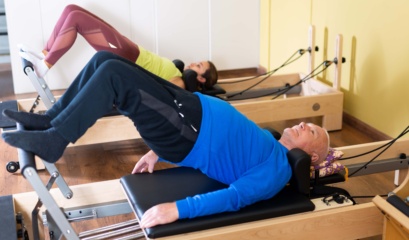
The final phase moves completely past passive care to build long-term structural durability. We graduate the patient into tailored knee exercises designed to progressively load the tendon and cartilage matrix. This targeted physical loading forces the tissue to adapt, remodel its cellular structure, and build the genuine physical tolerance required to withstand your chosen sport or gym routine without breaking down.
Why unguided home rehabilitation fails
Many individuals attempt to resolve persistent joint discomfort by performing generic leg exercises they find online. If your knee pain is driven by a hidden mechanical tracking error or an underlying muscle weakness, adding heavy load to an unaligned joint simply accelerates tissue degradation. A senior clinician evaluates your complete biomechanics to ensure your movements actively stimulate tissue remodeling rather than increasing joint friction.
| Phase of recovery | Target outcome | Clinical focus |
| Remove | Clear acute joint stress and overload | Gait analysis, structural alignment check |
| Restore | Correct patellofemoral tracking and range | Joint mobilisations, targeted soft tissue work |
| Redefine | Rebuild long-term cartilage load tolerance | Progressive knee exercises, strength training |
Indicators that demand professional clinical evaluation
Ignoring ongoing joint warnings or relying on continuous medication increases the long-term risk of functional decline. Contrary to popular belief, chronic joint discomfort is not an unavoidable part of the natural ageing process. If you experience any of the following clinical signs, you require a thorough physical assessment:
- A persistent grinding, clicking, or deep catching sensation inside the joint space during normal walking.
- Localised swelling above or below the kneecap that consistently returns after a gym session or walk.
- A regular, unpredictable feeling that the knee is unstable or going to give way when stepping down.
- Deep joint stiffness in the morning that takes longer than thirty minutes to ease with movement.
Prioritise your recovery
Masking structural joint issues with quick lifestyle fixes provides brief comfort while leaving the underlying tissue vulnerable to ongoing damage. At Benchmark Physio, our experienced clinicians isolate the exact movement errors driving your discomfort to guide you safely from pain back to peak performance. Contact us directly or use our online booking system to book a physical assessment at your nearest Sydney clinic.