
Neck pain is one of the most common reasons people reach out to us as a physio in Revesby. It often starts quietly. A stiff morning here, a headache there, or a tight neck after a long day at work. Over time, those small issues can build into ongoing pain that affects concentration, sleep, and confidence with movement.
At our physio Revesby clinic, we see neck pain as more than a sore area that needs settling. Our role is to remove what is driving the pain, restore natural movement, and help people return to daily life feeling capable again.
Why modern life puts so much strain on the neck
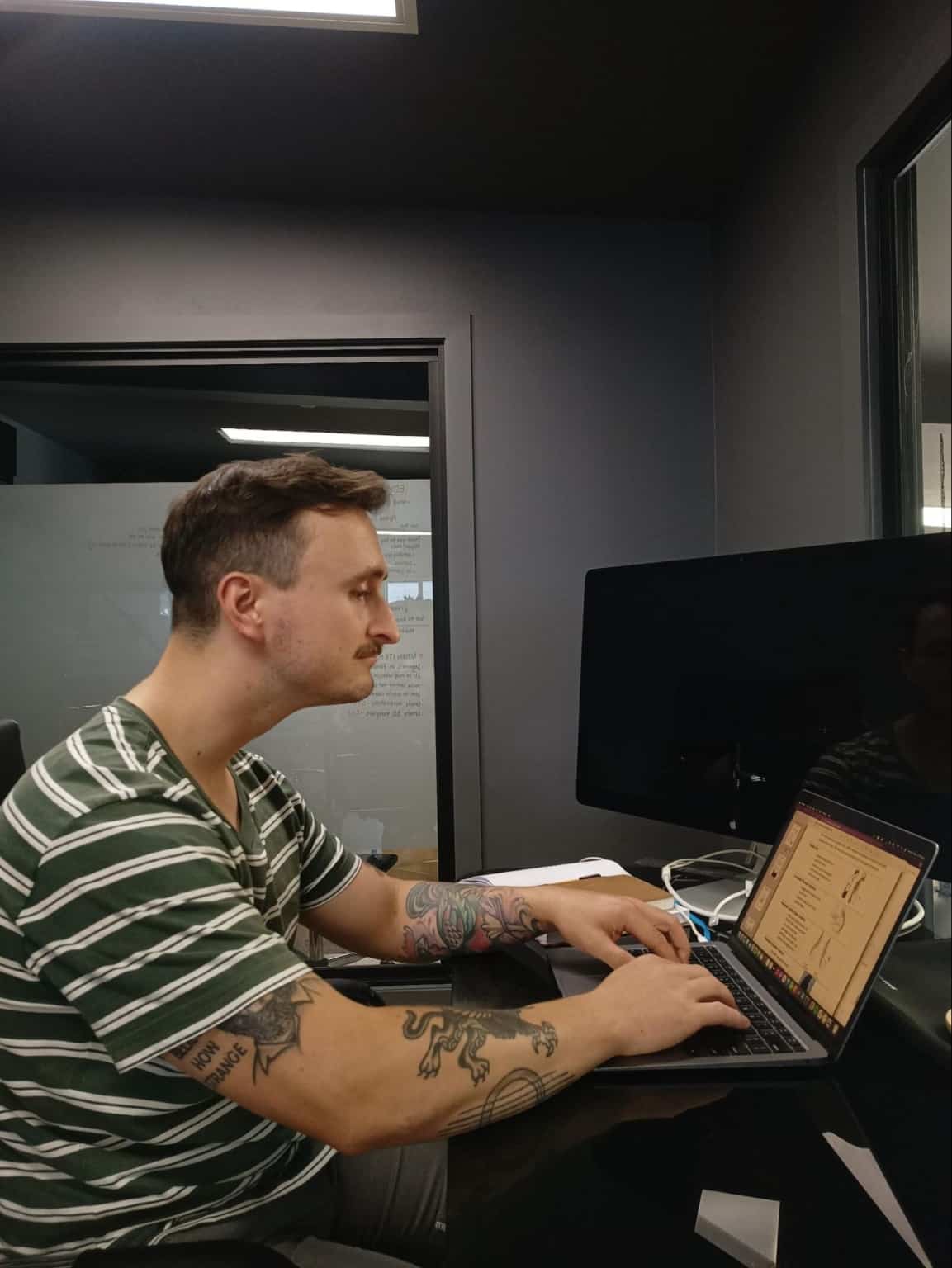
The neck is designed to move often and in many directions. Long periods of stillness place stress on joints, muscles, and nerves that are meant to stay active. Desk work, commuting, and screen use all contribute to this load.
Common contributors we see include:
- Extended computer or laptop use
- Mobile phone use with the head held forward
- Long drives or daily commuting
- Stress and fatigue increasing muscle tension
- Previous neck or upper back injuries
As a physio in Revesby, we look at how these factors combine rather than blaming posture alone.
Neck pain is rarely just a neck problem
Many people are surprised to learn that neck pain often involves more than one structure. Muscles, joints, discs, and nerves can all play a role. Pain may also be influenced by how the upper back and shoulders move.
Neck pain may present as:
- Local stiffness or aching
- Sharp pain with turning or looking up
- Headaches linked to neck movement
- Pain referring into the shoulders or arms
- Sensitivity or pins and needles
Understanding which structures are involved allows us to tailor treatment rather than relying on generic exercises.
What we look for during a neck assessment
When you see us for neck pain, assessment is hands-on and movement-based. We want to understand how your neck behaves under real-world demands, not just how it feels at rest.
Our assessment may include:
- Neck and upper back range of motion
- Joint mobility and movement quality
- Muscle strength and endurance
- Postural habits during work tasks
- How symptoms change with specific movements
This process helps us identify the true driver of pain and guide recovery with clarity.
Hands-on treatment with a clear purpose
Manual therapy can play an important role when pain or stiffness is limiting movement. Joint mobilisation and soft tissue techniques are used to improve comfort and allow better movement patterns to return.
Hands-on care is not the end goal. It is used to support progress so that movement, strength, and confidence can be rebuilt safely.
Rebuilding movement so pain does not keep returning
Lasting improvement in neck pain comes from restoring how the body moves and handles daily load. This often involves retraining both the neck and surrounding areas such as the upper back and shoulders.
Rehabilitation commonly focuses on:
- Improving neck and upper back mobility
- Strengthening deep neck and postural muscles
- Gradual exposure to previously aggravating positions
- Education around work setup and movement breaks
This approach helps people move beyond pain and return to work and life with greater ease.
How long neck pain recovery usually takes
Recovery timelines depend on how long pain has been present and what structures are involved. Some people notice improvement within a few sessions, while others require a more gradual plan.
Our focus is steady progress rather than quick fixes, supporting the body as it adapts and strengthens over time.
Why seeing us locally in Revesby matters
Being a physio in Revesby means we understand the demands of local work, commuting, and lifestyle patterns. Treatment can be adjusted as your symptoms change and your goals evolve.
If neck pain is holding you back, getting in touch with us here in Revesby is a practical first step. By addressing the cause of pain, restoring movement, and supporting long-term physical capacity, we help people move forward with confidence rather than frustration.