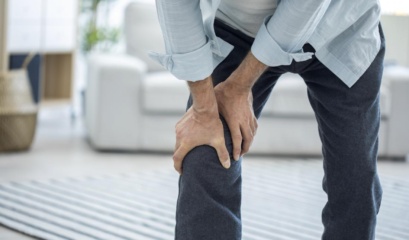


Knee pain is one of the most common reasons people come to see us as a physio in Revesby. It can show up gradually during walks or runs, flare after sport, or make simple tasks like stairs and squatting uncomfortable. For many people, the frustration comes from not knowing why the pain started or why it keeps returning.
Our approach to knee pain focuses on understanding what is driving the problem, settling pain, and restoring confidence in movement so everyday activity and sport feel achievable again.
Why knee pain is so common
The knee sits between the hip and the ankle and absorbs a large amount of force during daily life. Walking, running, lifting, and sport all place repeated load through the joint. When the body struggles to manage that load, pain often follows.
Common contributors we see include:
- Sudden increases in walking, running, or training volume
- Weakness or poor control at the hips or ankles
- Previous knee injuries that were never fully rehabilitated
- Repetitive bending, squatting, or kneeling at work
- Reduced tolerance to load over time
As a physio in Revesby, we look at how the whole lower limb works together rather than focusing only on where the pain is felt.
Knee pain is not one condition
Many people are told they have a generic knee issue, but knee pain can come from different structures and present in different ways. Understanding the specific pattern of pain helps guide effective treatment.
Knee pain may be linked to:
- Patellofemoral pain around the kneecap
- Tendon overload at the front or side of the knee
- Joint irritation or stiffness
- Ligament or meniscal irritation
- Load-related pain during sport or exercise
Identifying the source of pain helps us tailor treatment and avoid unnecessary rest or frustration.
What we assess when you come in with knee pain
Assessment is a key part of how we treat knee pain. We want to see how the knee behaves during real movements, not just how it feels when sitting or lying down.
Our assessment may include:
- Knee, hip, and ankle range of motion
- Strength and control through the legs
- Movement patterns during squatting, walking, or running
- How pain responds to load and activity
- Training or work demands that influence symptoms
This gives us a clear picture of what the knee needs to recover.
Hands-on treatment to support movement
Hands-on treatment can help when pain or stiffness is limiting movement. Joint mobilisation and soft tissue techniques may be used to reduce discomfort and improve how the knee moves.
These techniques are used with a purpose. They support movement and progression rather than acting as a short-term solution on their own.
Rebuilding strength and tolerance through the knee
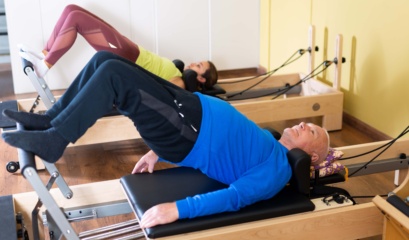
Long-term improvement in knee pain depends on restoring the knee’s ability to handle load. This means gradually building strength, control, and confidence with movement.
Rehabilitation often focuses on:
- Strengthening the muscles around the knee and hips
- Gradually increasing walking, running, or sport loads
- Improving movement control during functional tasks
- Education around pacing, recovery, and progression
This process helps people move from pain back toward performance in daily life and sport.
How long knee pain recovery usually takes
Recovery timelines vary depending on the condition, how long symptoms have been present, and how consistently rehabilitation is followed. Many people notice steady improvement over weeks as strength and load tolerance improve.
Our focus is on sustainable progress rather than quick fixes, supporting long-term knee health.
Why seeing us in Revesby makes a difference
Being based in Revesby allows us to tailor treatment to local work demands, sporting involvement, and lifestyle factors. Care can adapt as your symptoms change and your goals shift.
If knee pain is limiting your movement or confidence, getting in touch with us here in Revesby is a practical first step. By removing pain, restoring movement, and building long-term capacity, we help people return to the activities that matter most to them.