
Sciatic-type pain is one of the more worrying issues people come to see us for as a physio in Revesby. Pain travelling from the lower back into the buttock, thigh, or leg can feel unpredictable and alarming, especially when it interferes with walking, sitting, or sleep. Many people are unsure what sciatica actually is, which often leads to unnecessary fear or delayed treatment.
Our role is to help clarify what is driving the pain, reduce symptoms, and restore confident movement so everyday life feels manageable again.
What people mean when they say sciatica
Sciatica is not a diagnosis on its own. It is a term used to describe nerve-related symptoms that travel down the leg. These symptoms can vary widely from person to person.
Sciatic-type symptoms may include:
- Sharp or burning pain in the leg
- Deep ache through the buttock or thigh
- Pins and needles or altered sensation
- Pain that worsens with sitting or bending
- Relief when changing position or walking
Understanding the pattern of symptoms helps guide appropriate physiotherapy care.
Why sciatic pain develops
Sciatic symptoms occur when the nerve becomes sensitive or irritated. This does not always mean serious damage is present. In many cases, symptoms relate to how the spine and surrounding tissues are moving and tolerating load.
Common contributors we see include:
- Disc-related irritation
- Joint stiffness in the lower back
- Muscle tension or guarding
- Reduced movement variability during daily tasks
- Prolonged sitting or limited activity
As a physio in Revesby, we assess how these factors interact rather than assuming one cause fits everyone.
Sciatic pain is not always a disc problem
A common misconception is that all sciatic pain comes from a disc injury. While discs can play a role, many people experience nerve symptoms without significant structural damage.
Sciatic-type pain may be influenced by:
- Joint-related referral from the spine
- Muscle-related compression or tension
- Reduced tolerance to certain movements or positions
- Nervous system sensitivity
Clarifying this early helps reduce fear and supports more effective recovery.
What we assess when you come in with sciatic pain
Assessment for sciatic pain focuses on understanding how the nerve responds to movement and load. We also look at how the spine and hips support everyday activities
Our assessment may include:
- Spinal and hip range of motion
- Neurological screening where appropriate
- Movement testing such as bending, walking, or sitting
- Strength and control through the trunk and hips
- Activities or positions that change symptoms
This hands-on, movement-based assessment helps guide safe and effective treatment.
Supporting recovery through movement and care
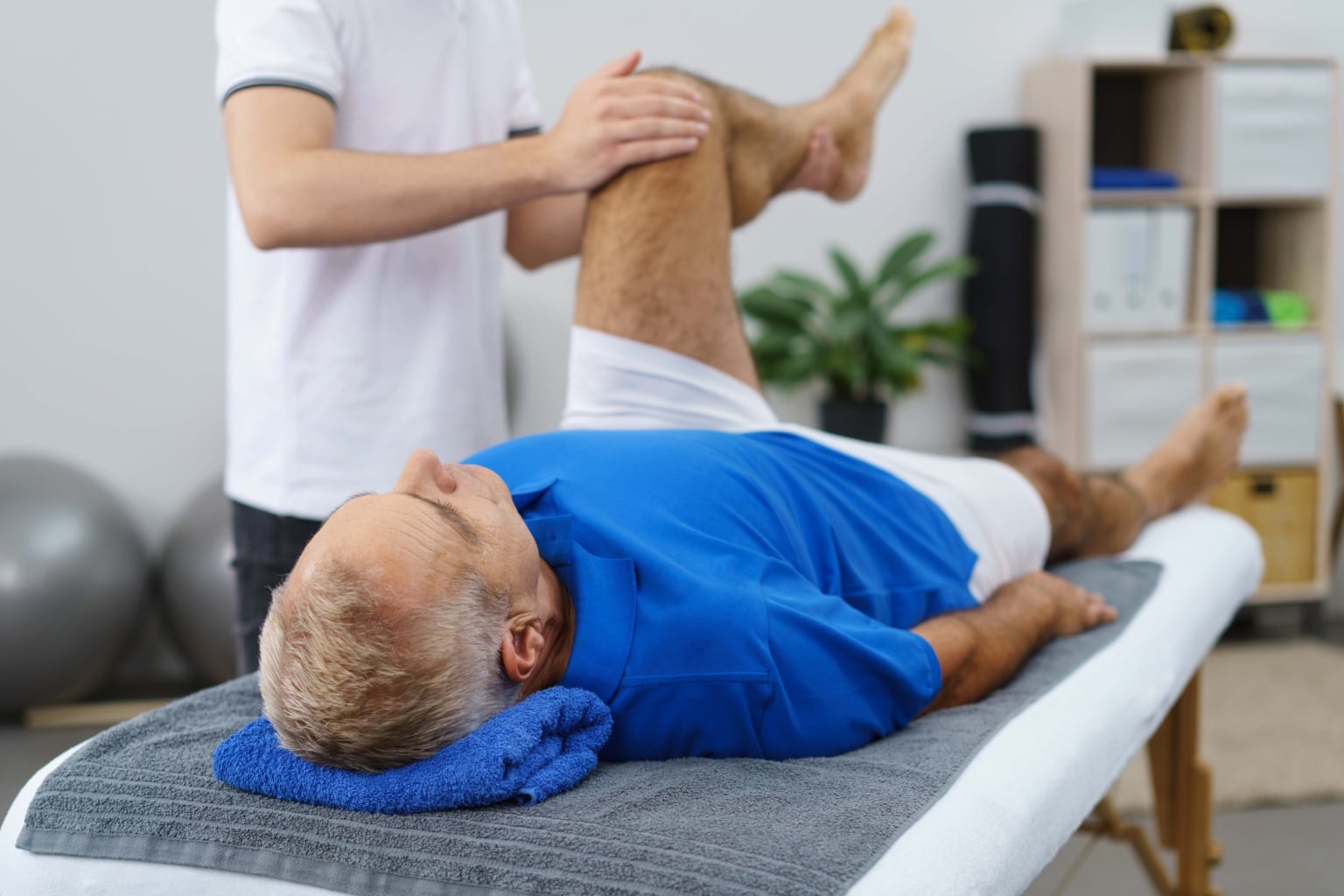
Hands-on treatment may be used to reduce pain and improve movement when symptoms are limiting function. This can help settle sensitivity and restore confidence early in recovery.
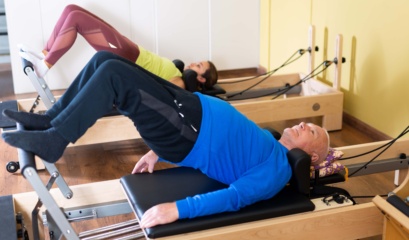
Movement-based rehabilitation then becomes the focus. The aim is to gradually reintroduce movements and positions that have been avoided, helping the body adapt rather than protect.
Building confidence so symptoms do not keep returning
Long-term improvement in sciatic pain comes from restoring the body’s ability to move and tolerate daily demands. This includes building strength, improving movement variety, and understanding how to manage flare-ups.
Rehabilitation often includes:
- Gradual exposure to bending and lifting
- Strengthening of the trunk and hips
- Education around sitting, movement breaks, and pacing
- Strategies to manage symptoms if they recur
This approach helps people move beyond pain and back toward normal activity.
How long sciatic pain recovery usually takes
Recovery timelines vary depending on symptom severity, duration, and individual factors. Many people experience steady improvement over weeks with the right guidance and consistency.
Our focus is supporting progress while building long-term confidence in movement.
Why seeing us in Revesby matters
Being based in Revesby allows us to provide ongoing care that adapts as symptoms change. Local access supports consistency and clear communication throughout recovery.
If sciatic pain or leg symptoms are affecting your day-to-day life, getting in touch with us here in Revesby is a practical first step. By reducing pain, restoring movement, and supporting long-term capacity, we help people move forward without unnecessary fear.